fence2026-03-23·7 min read
Acoustic Privacy Solutions for Outdoor Spaces
Reduce noise and increase privacy with acoustic fences, glass barriers, louvre screens and composite panel systems.
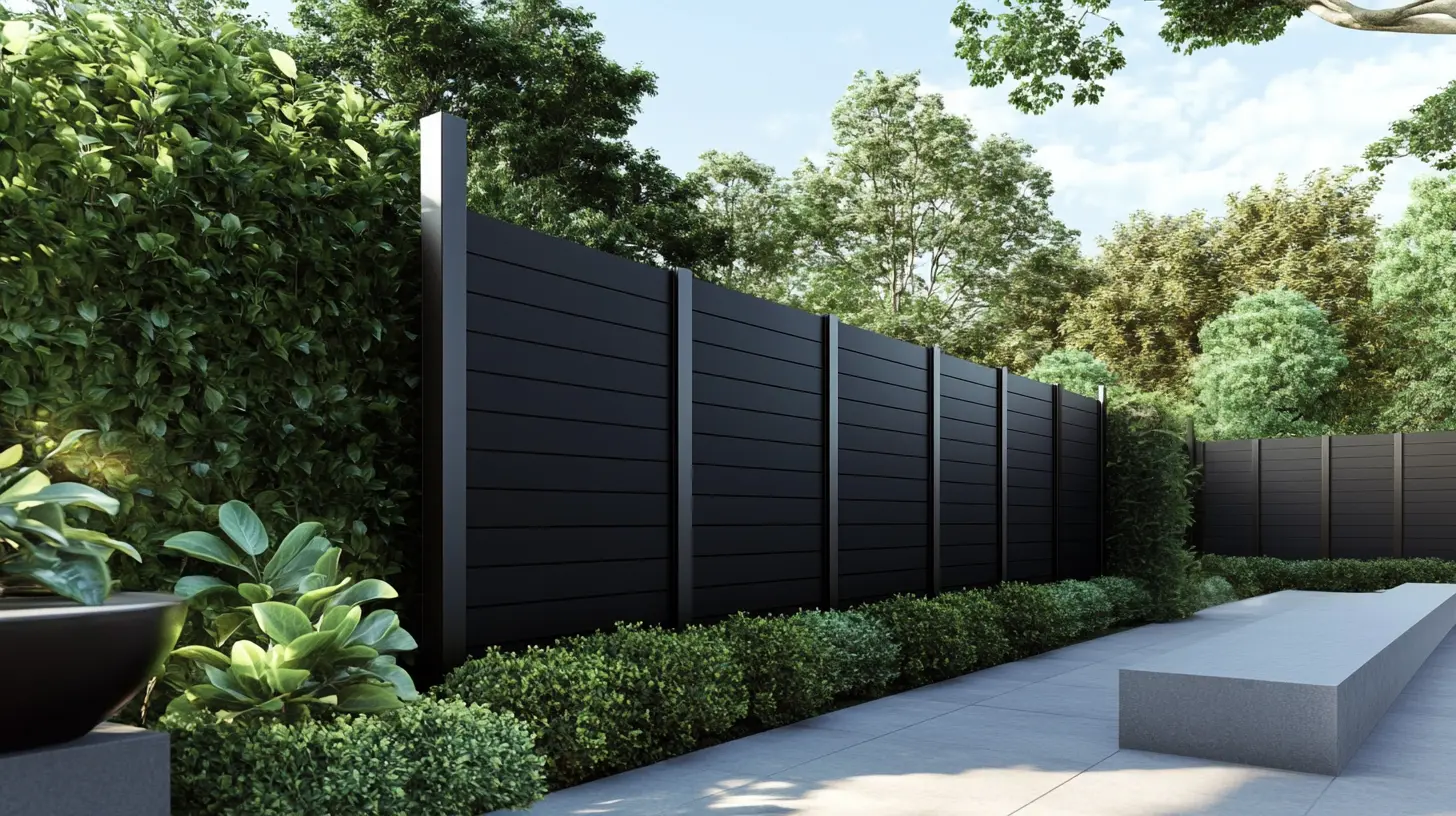
Acoustic Fence and Panel Systems\n\nAcoustic fence systems use mass-loaded composite panels to reduce noise transmission between properties. Standard acoustic fences achieve 15-20dB noise reduction at the receiver position, while premium systems with absorptive face layers reach 25dB reduction. Panel construction typically consists of a steel or aluminium core with mineral wool infill and perforated facing for sound absorption. Panel heights of 1.8-2.4 metres provide effective screening for ground-level noise sources. Alcodec acoustic fence panels integrate with standard aluminium post systems for consistent appearance across the installation.\n\n## Glass Acoustic Barriers\n\nLaminated acoustic glass panels provide noise reduction while maintaining visual transparency. Standard 8.8mm laminated glass achieves Rw 35dB sound reduction index. Upgraded configurations using 12.8mm acoustic laminated glass with PVB acoustic interlayer reach Rw 40-42dB. Glass barriers are particularly effective along roads and railways where visual screening is not desired. Frameless glass acoustic screens create minimal visual impact while providing substantial noise reduction.\n\n## Acoustic Louvre Systems\n\nPerforated aluminium louvre blades with mineral wool acoustic infill combine ventilation with noise control. Sound absorption coefficients up to alpha 0.85 are achievable with optimised blade geometry and infill density. Acoustic louvres are ideal for plant room screening, boundary treatment adjacent to commercial HVAC equipment, and privacy screening between residential terraces. Louvre blade pitch and angle can be adjusted to balance acoustic performance with airflow requirements.\n\n## Design Principles\n\nEffective acoustic design follows the source-path-receiver model. Barriers must break the line of sight between noise source and receiver to provide meaningful reduction. Barrier height must exceed the direct sound path by at least 1 metre for noticeable improvement. Gaps and openings reduce effectiveness significantly, so continuous barrier construction is essential. Absorption treatment on the source-facing surface prevents reflections that could increase noise levels in adjacent areas.
Explore our products or get in touch.